Cambodia’s unexpected gifts

I would have missed the red sunrise over the Mekong River if I hadn’t let myself get so out of shape. I had been in Cambodia less than 24 hours after a grueling series of flights and layovers, including 12 hours in the utilitarian Guangzhou, China, airport.

I was in no mood to go for a run.

But I’d gotten out of shape, and I’d made a rule I still follow: If I pack my running shoes on a trip, I have to use them at least once. So, only because I’d gotten mad at my laze-induced pudge, I grudgingly dragged my jet-lagged body, foggy-brained out of bed and laced up for an obligatory jog on the hotel treadmill.

It was in that early morning darkness – a mile or so hypnotized by the automated rhythm of my feet and the beat pumping through my iPhone and staring unseeing out the dark gym windows – that I became gradually aware of an unexpected gift Southeast Asia was offering.

Outstretched before me, the Mekong River was materializing out of the hazy grey, the sun rising, a deep red I’d never seen before – or since – growing ever clearer like the dissipating fog of a developing Polaroid.

A red sun so startling the thought crossed my mind for a moment that the world might be ending.

I wanted to grab ahold of that gift. I ran from the gym, scrambling around the side of the hotel toward the river….snap, snap, snapping phone photos, hoping to capture, before the blaze died, even just a little of that magnificent red; the crimson, orange, yellow sunrise flames licking at the famous river.

I failed to capture it. I got a nice picture, but nothing that comes close to the lusciousness of that red sun rising over the Mekong River, burned even now into my mind’s eye, a beautiful gift unasked for.
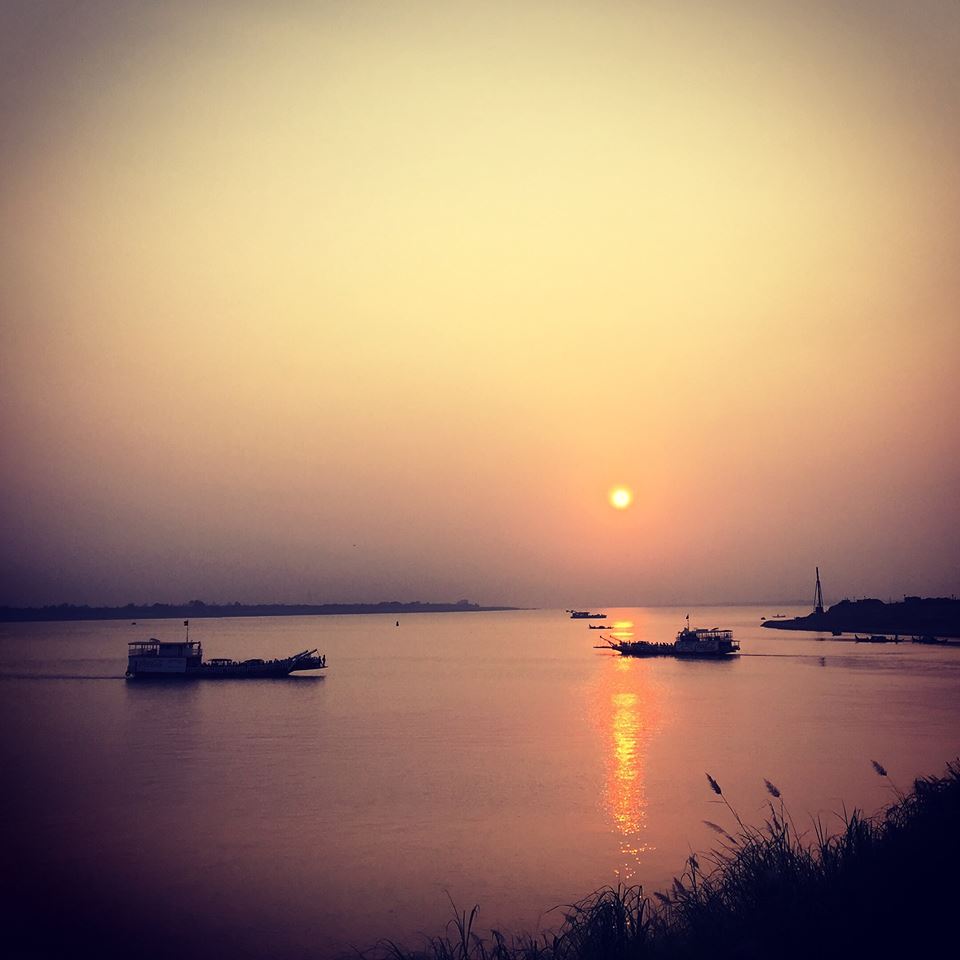
Red sun rising over the Mekong River, Phnom Penh, Cambodia

Cambodia is a special and complicated place. It’s a place of intensity and sadness. Cruelty and kindness. Joy, devastation and rebirth.

It’s a place I never wanted to go.

But sometimes, life gives you what you don’t think you need – or want – anyway. Exactly when you need it. Life, through my job, gave me a taste of Cambodia (that’s another story you can read here if you like https://kiwanismagazine.org/2016/01/11/pushing-potential/)

And I think about the gifts of that trip sometimes:

The contrasts of Phnom Penh: the glittering Tonle Sap River skirting the capital city; and the city abuzz with hustle, noise, dazzle and new construction, even as tin-and-cloth-covered marketplaces preserve older ways of life and tuk-tuks cram, dodge and zip their way through traffic in a mind-boggling dance of organized chaos.
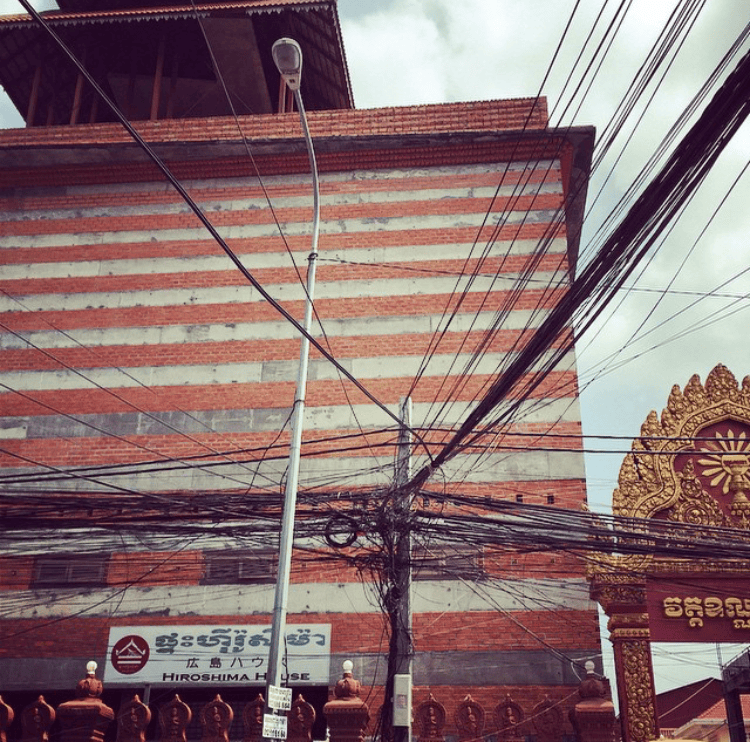
Electric Cambodia.
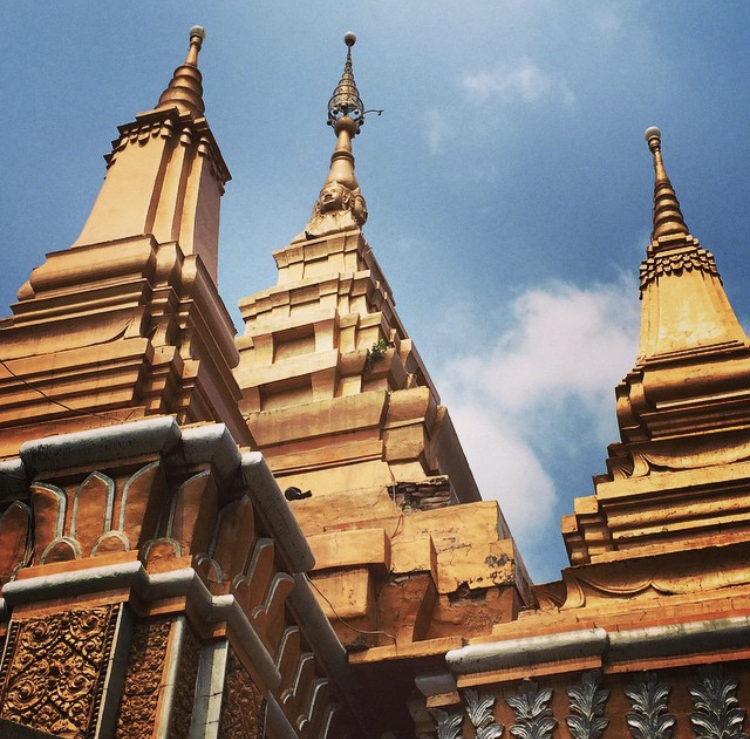
Sentinel.

Sleek, fresh highways that snake away from the city past rice fields, faded sentinel temples and schoolyards where row after neat row of bicycles lean in anticipation of their owners.
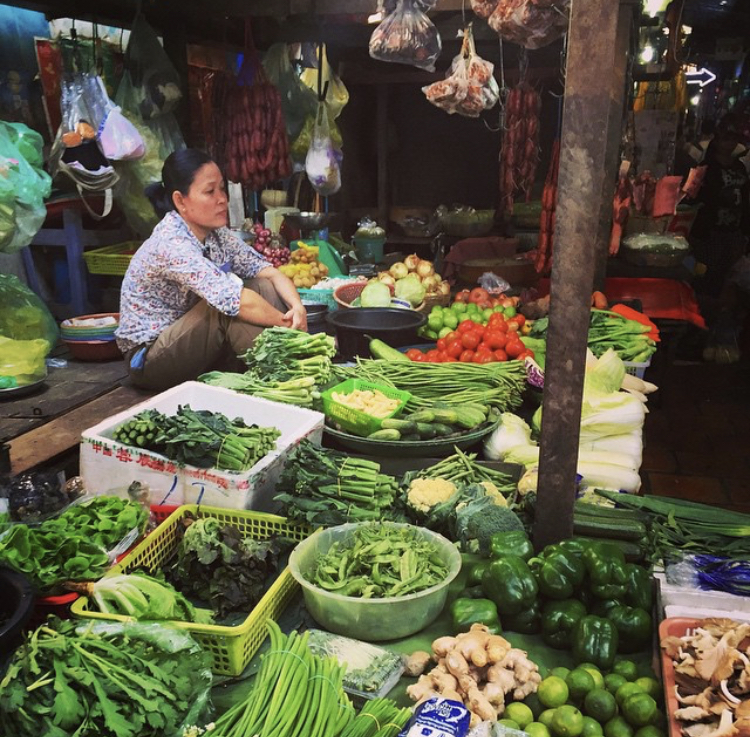
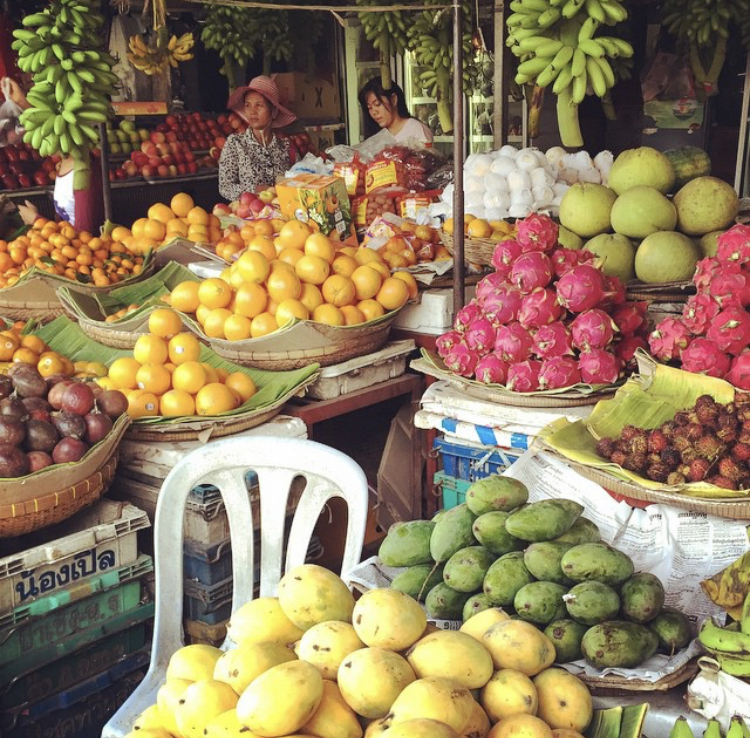
So much green in the market.
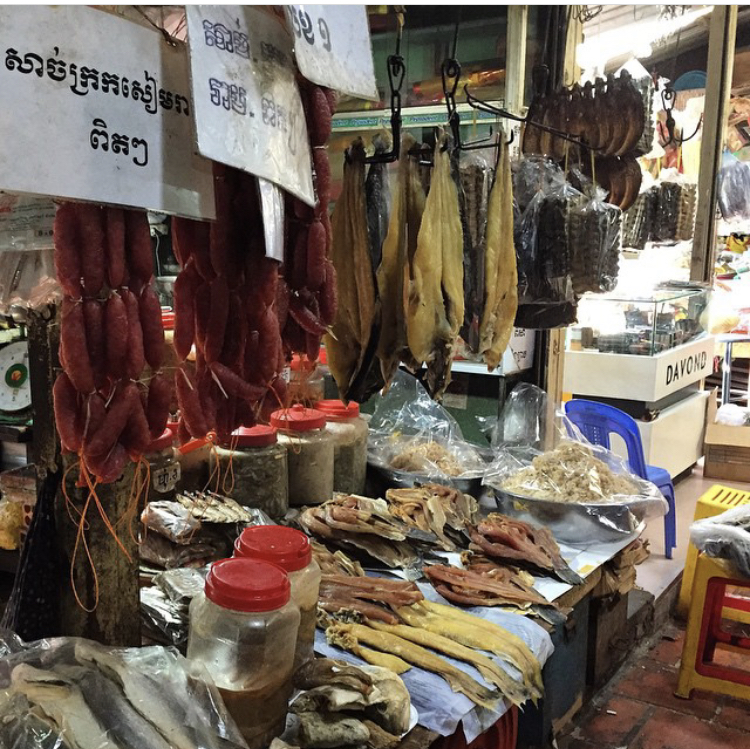
More of the market.
So much fruit.
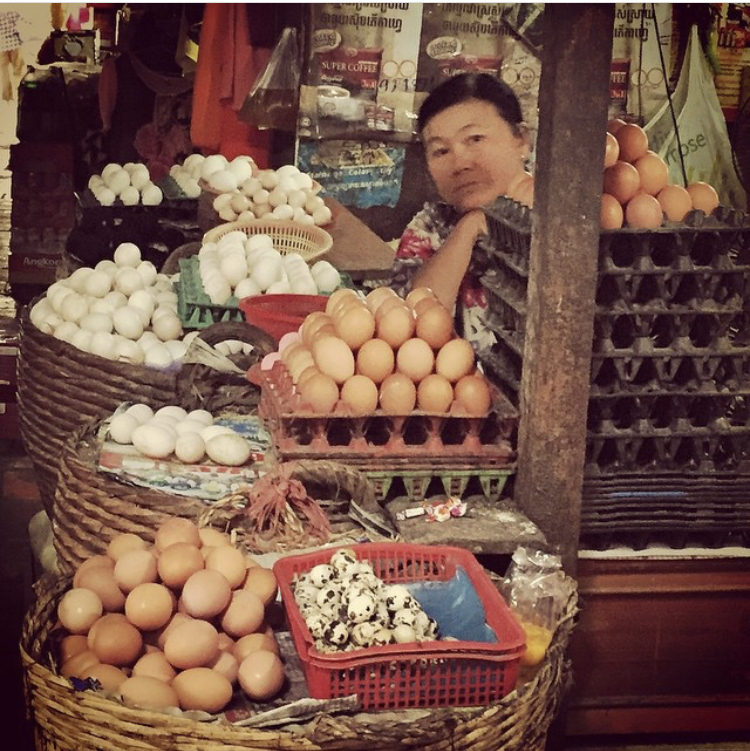
The secret life of the egg saleswoman.

Rut-pocked red-dirt roads and gritty towns. Verdant pepper, coffee, cashew and rubber farms. And farms that fade to a dustier savannah-like scrub-and-shrub landscape, long stripped of its timber.
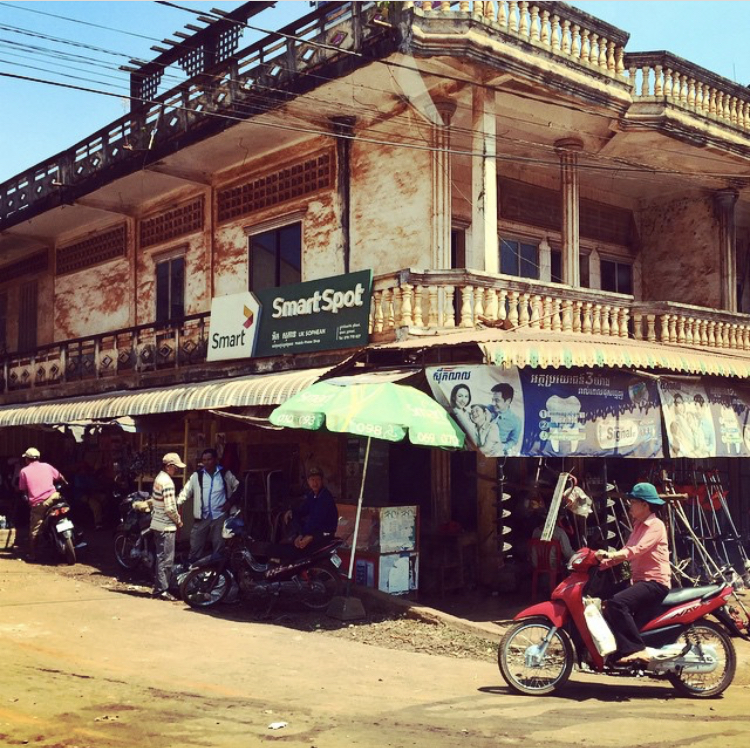
Snapshot from the UNICEF Sport Ute on the road to Mondulkiri Province, some 6 hours drive from Phnom Penh.

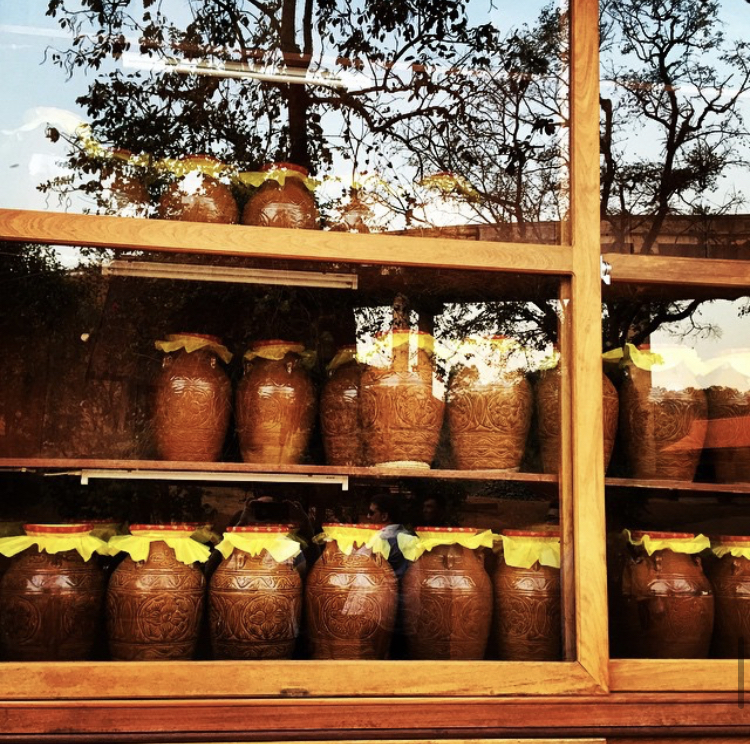
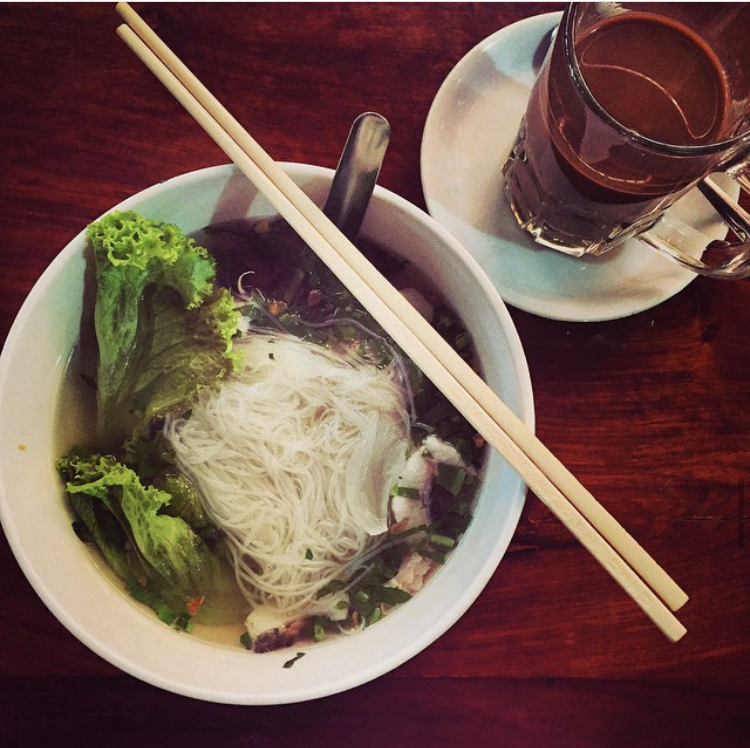
Grass jelly drink, food shared among new friends, Mondulkiri province coffee – like no other in the world, rich and chocolatey and decadent with sweetened condensed milk stirred into it. Breakfasts of geautieuv sop (similar to pho) or congee or dragonfruit. Crispy fried duck tongue. Fermented rice drink brought to life with a little water and time. And the “21 day” eggs (known some places as “balut”) I was not brave enough to try.
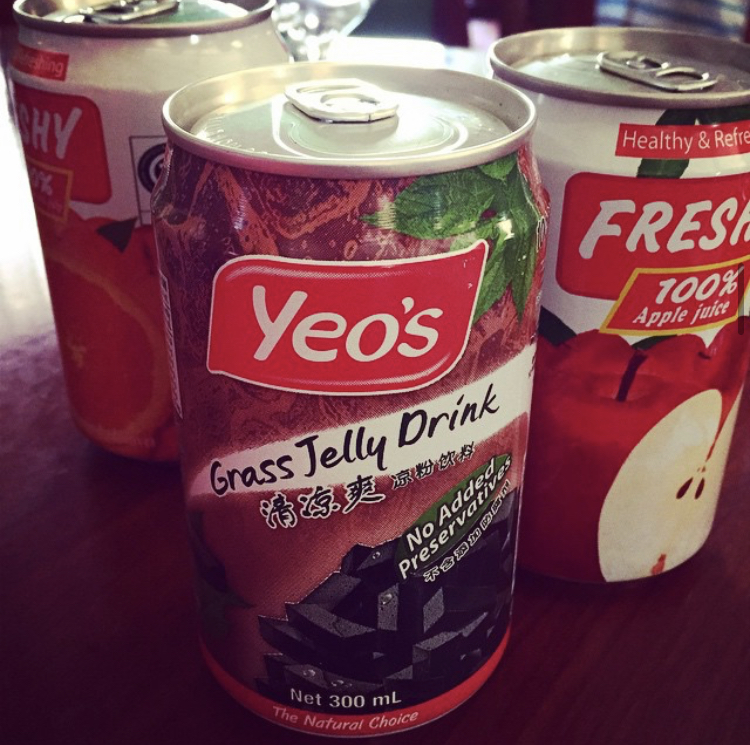
Yeo’s Grass Jelly Drink. Complete with cubes of jellied grass at the bottom!

Modulkiri breakfast.
Jars of fermented drink. Add one bottle of water. Wait. Add enough straws for friends to enjoy.

And the people. So gracious with their time, their hospitality and their stories. Many of whom lived through the horrors of the Khmer Rouge – and who have every right to as much sadness, bitterness and anger as they so choose. People who nevertheless give generously to help others in their beloved Cambodia and repay kindnesses shown to them during the most difficult times. People who’s eyes crinkle with easy smiles and laughter; not erasing the pain of very real suffering and loss, but offering an unexpected gift of hope.
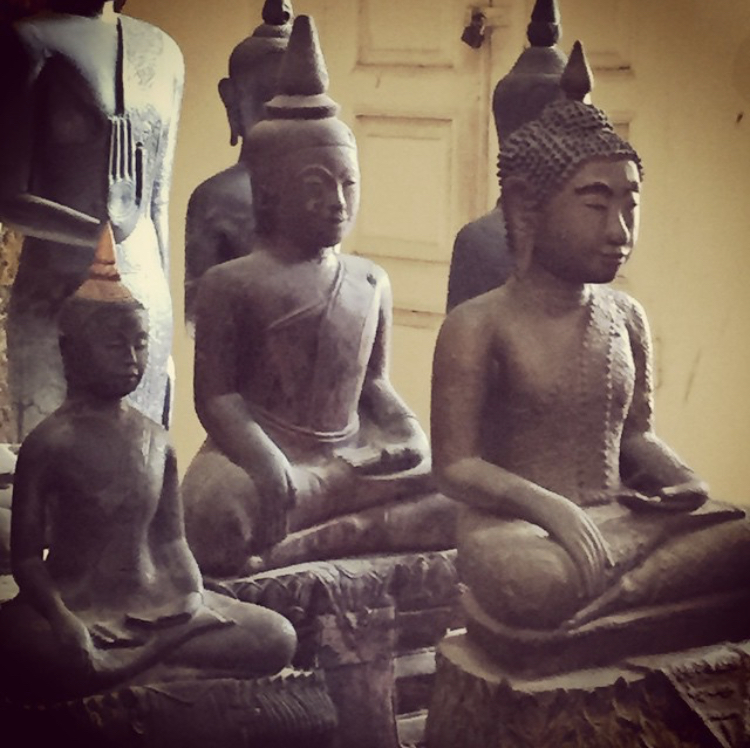
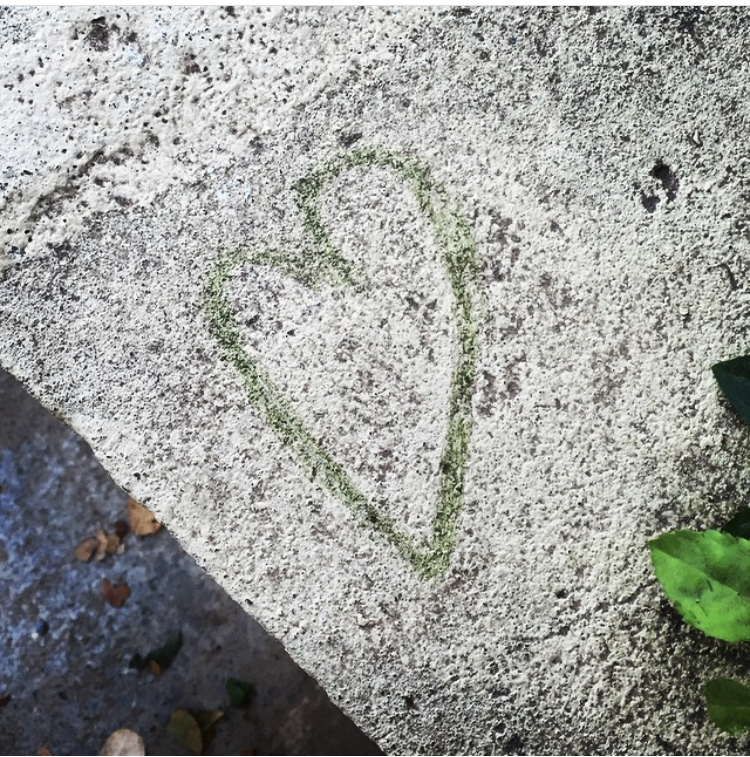
Peace.
I was in Cambodia on Valentine’s Day and saw this on the steps of a school supported by the Kiwanis Club of Phnom Penh.

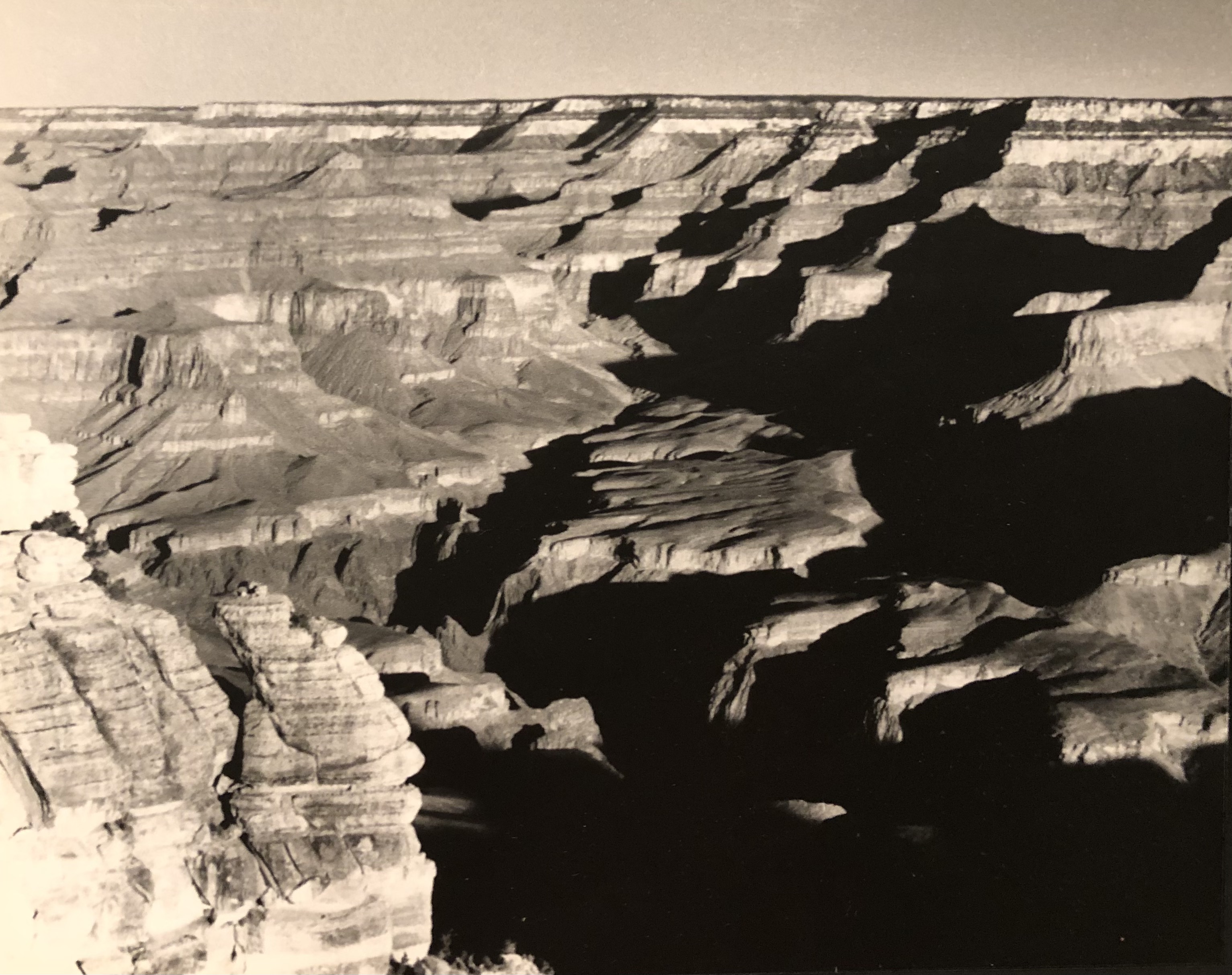
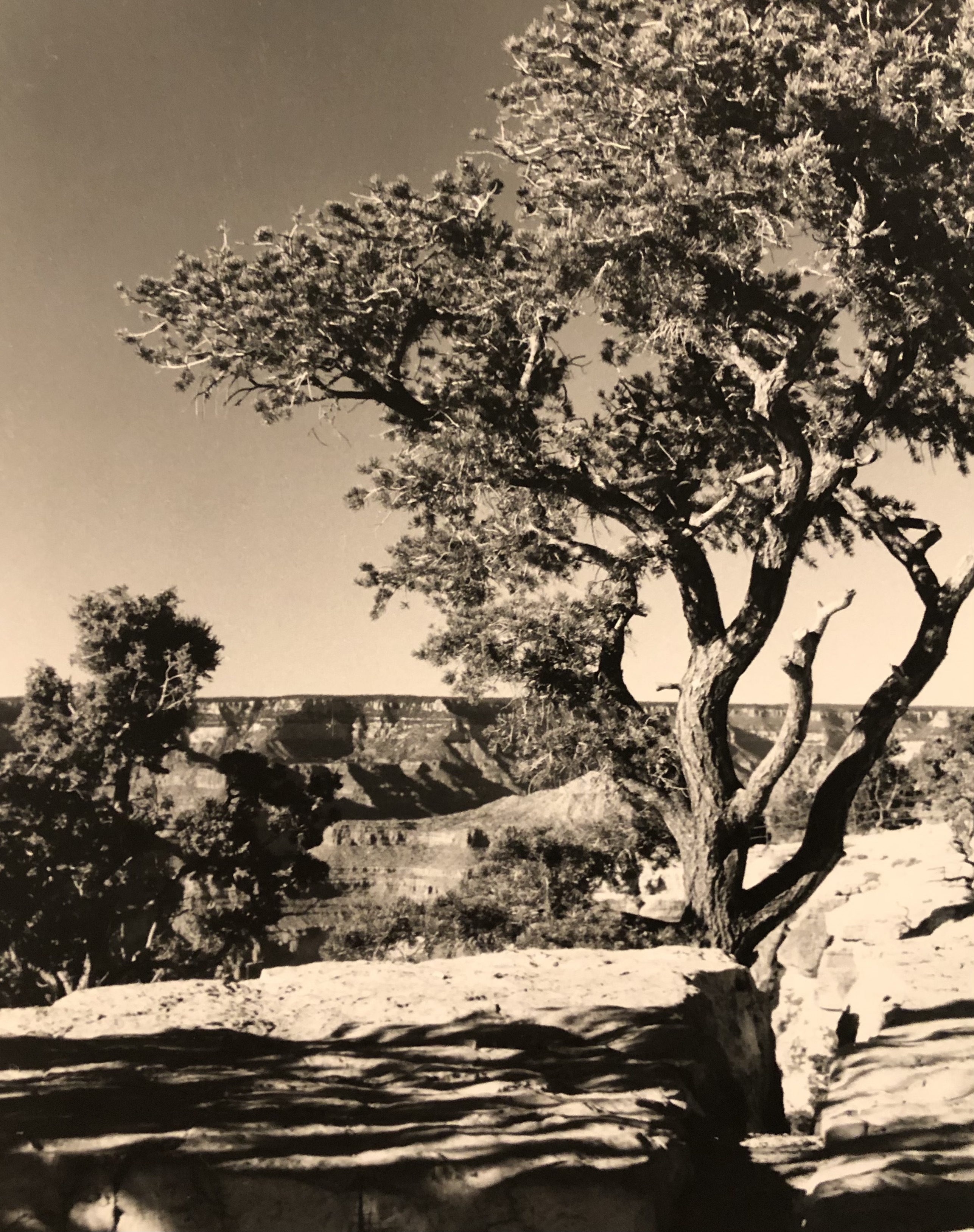
Grand Canyon

Some things are just too big for a camera. Or a notebook. Or a blog.

Do take a snapshot and jot a note – but sometimes… sometimes.. put your camera down and just sit on the edge of the Grand Canyon and let what’s in front of you fill your eyes and mind and heart.

(Photos taken with actual black & white Kodak TMax100 on a borrowed Pentax K-1000, hand developed and hand printed in an actual darkroom. Images here are poor iPhone photos of the originals.)

Special thanks to Professor Susie Fleck and Dr. Bill Pohley who bravely led eight idiot Franklin College photography students through a month of camping, travel, meals of canned ravioli and lunchmeat, cold nights and stunning American Southwestern sunsets. All of which, I might write about later…

Assateague Island

When I was a pre-teen, there were two things I could count on finding in our family’s deep freezer in the garage: ice cream and dead birds.

We all liked ice cream.

We were used to the dead birds.

After dinner, as someone collected the ice cream scoop, bowls and spoons, the following exchange from garage to kitchen wasn’t uncommon:

FETCHER OF ICE CREAM: “Where’s the Peppermint Stick? I can only find Butter Pecan?”

MOM: “It’s in there. Look next to the Owl. Or it could be under the Woodpecker.”

My Dad loves nature, and he’s more than a hobbiest or casual observer. He wants others to love nature and the science behind it, too. He finds real joy tramping in the woods and meadows and along back roads, creeks or old railroad tracks observing his surroundings and whatever might happen to be around his path. He sleuths out clues in leaf shapes, flowers, berries, tracks, animal poo, jaw bones and disturbances to identify the indigenous flora and fauna. And he’s good at it.

He is also a (retired) teacher, which means he sometimes brought back things from this treks for his classroom. Things like abandoned hornets nests, antlers, skulls, leaves to press, rocks, fluffs of fur, and, eventually, dead birds. Which went into the freezer for preservation – but only if they were in really good shape.

Somewhere along the line, he got a license and into cahoots with a local taxidermist, who would thaw and bring the feathered specimens back to lifelike, so Dad could arrange for them to be displayed in glass at the elementary school where he worked or the town library.

My Dad loves nature, and he loved (still loves) teaching others about it.

Which explains the dead birds in the freezer. And why it came as no surprise when my sister Eunice and I realized we’d be enduring the 12-some-hour return trip from the Delmarva Peninsula to Goshen, Indiana, breathing Eau d’ Dead Horseshoe Crab* from our backseats in the family minivan.

I was 13 the summer we packed up and drove to Ocean City, Maryland, for the first non-camping vacation I can remember. (My parents had found an inexpensive and perfect little rental cottage where the proceeds benefitted a program to help runaway youth. They arranged this without the miracle of internet, by the way.)

We spent days on Rehoboth Beach sunning or dozing under an umbrella, where there was a cooler packed full of bologna-MiracleWhip-and-lettuce sandwiches, carrot sticks, canisters of Planter’s Cheez Balls and packages of Hydrox cream-sandwich cookies. It is a known fact that these things are most delicious eaten chilled from a cooler on the beach.

That’s where I learned to body-surf waves and what it’s like to slurp in a nose-full of the salty Atlantic, struggling exhausted from the ocean floor against the suck of the tide after being crushed by bad timing or foolishly turning my back to the waves. And it’s where I watched momentarily exposed periwinkles wiggle into the sand and small crabs scuttle toward the sea as the curtain of water on the shore pulled open and closed.

We strolled the weathered Ocean City Boardwalk and ate salt water taffy and licked ice cream cones and watched a man draw caricatures. We bought fresh produce from roadside stands. We put on our “good shorts” to eat a fancy meal in a restaurant, where my parents insisted everyone order crab of some kind—and where, when they learned that our waitress was also a teacher, making ends meet with a summer waitressing job, they tipped extra with money they probably didn’t have to spare themselves.

But as we hopscotched from Delaware to Maryland to Virginia and back, the ultimate destination (in my mind, anyway) was the Assateague Island National Seashore.

Like my classmates at Middlebury Elementary, I’d grown up reading the Marguerite Henry “Misty” series, set on Chincoteague Island, dreaming, as young girls did back then, about the wild ponies and perhaps taming and riding one bareback, galloping along the seashore as my long, blonde tresses flowed in the ocean wind.**

Assateague Island is north and across Chincoteague Bay. Assateague, too, has wild ponies. (“Chincoteague ponies” are actually Assateague Horses.) They are, I am happy to report, just as magnificent as advertised and imagined. And, according to signs posted in the area, they bite. Being a Rule Follower and Sign Obeyer, I didn’t test the warning. I didn’t even come close. No wild ponies were tamed or ridden, which I think was prohibited anyhow.

Like the beautiful horses, the Assateague Island National Seashore, too, is wild and magnificent. We went a few times, since (as my sister reminds me) the cottage rental provided a National Parks Pass.

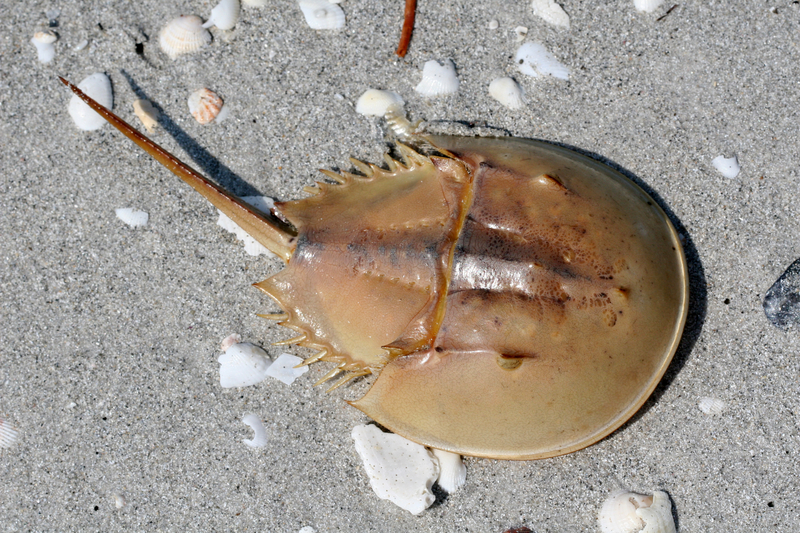
And I’m pretty sure it was on Assateague Island that Dad found the horseshoe crab carcasses.

(Photo credit: 22183117 © Kevin Knuth – Dreamstime.com)

Now, if you’ve never seen a horseshoe crab, they are downright scary looking creatures. They’ve existed since before dinosaurs, and they look it. I read somewhere that they’re actually more closely related to ticks and spiders than they are kin to crabs; so there’s that creepy factor, too. But the truth is, they’re harmless to people (helpful, actually); and their “tail” spears—which make them look like the armored-car version of a sting or manta ray—are used mainly as an appendage to help them flip over.

Another fun fact: Horseshoe crab blood is a scientific marvel. It can be used to test whether a vaccine or drug in development is safe, or if it contains bacteria harmful to humans. (Read this for more about the amazing horseshoe crab.)

So, when my Dad found those dead crabs, we probably already knew they were going home with us. Because of nature and science and teaching. They travelled with us many miles, wrapped carefully in plastic bags and stinking up the backseat. I’m sure they took a turn in the freezer with the birds.

And they made it to Dad’s classroom where for years they were, I’d like to think, admired for their creepiness, incredible to believe, fascinating all who beheld them, giving cause to consider the broader world.

*To be clear, they were, as were all the specimens Dad collected, already dead when he found them.

**Yes. I am a brunette, and if you knew me at that age, you’ll know I was a brunette with very short hair. Thirteen-year-old-Chicoteague-pony-riding-Amy has long, blonde hair and can tame wild horses. That girl’s got game and amazing hair.

Honduras

On the first day of 2nd grade, Mrs. Dickey asked our class if anyone would like to share about an interesting vacation trip they’d had over the summer. Hands shot up, and kids offered the fantastic destinations they’d visited: Myrtle Beach, The Warren Dunes, an aunt in Atlanta, a Magic Kingdom or two.

“Amy Martin, didn’t your family go somewhere interesting?” she prompted, as the vacation boasts dwindled.

Oh yes. It hadn’t occurred to me that not every eight-year-old had flown TAN SAHSA airlines to Tegucigalpa, Honduras, that summer.

My grandparents lived in Honduras for two years, serving as leaders to the students who migrated in and out of the Goshen College SST study abroad program. So, the summer of 1981, we went to visit them.

It’s important to understand that my family was not a hotel family. We camped. Didn’t matter where we were going or what the occasion might be, we either stayed with relatives or toted our digs behind the station wagon. So the fact that this trip began with an overnight stay at the American Inn outside Chicago so we could catch our morning flight out of O’Hare – well, that was something. With a rollaway wedged into a corner, all six of us could stay in one double double room, and there was a pool. I was in heaven.

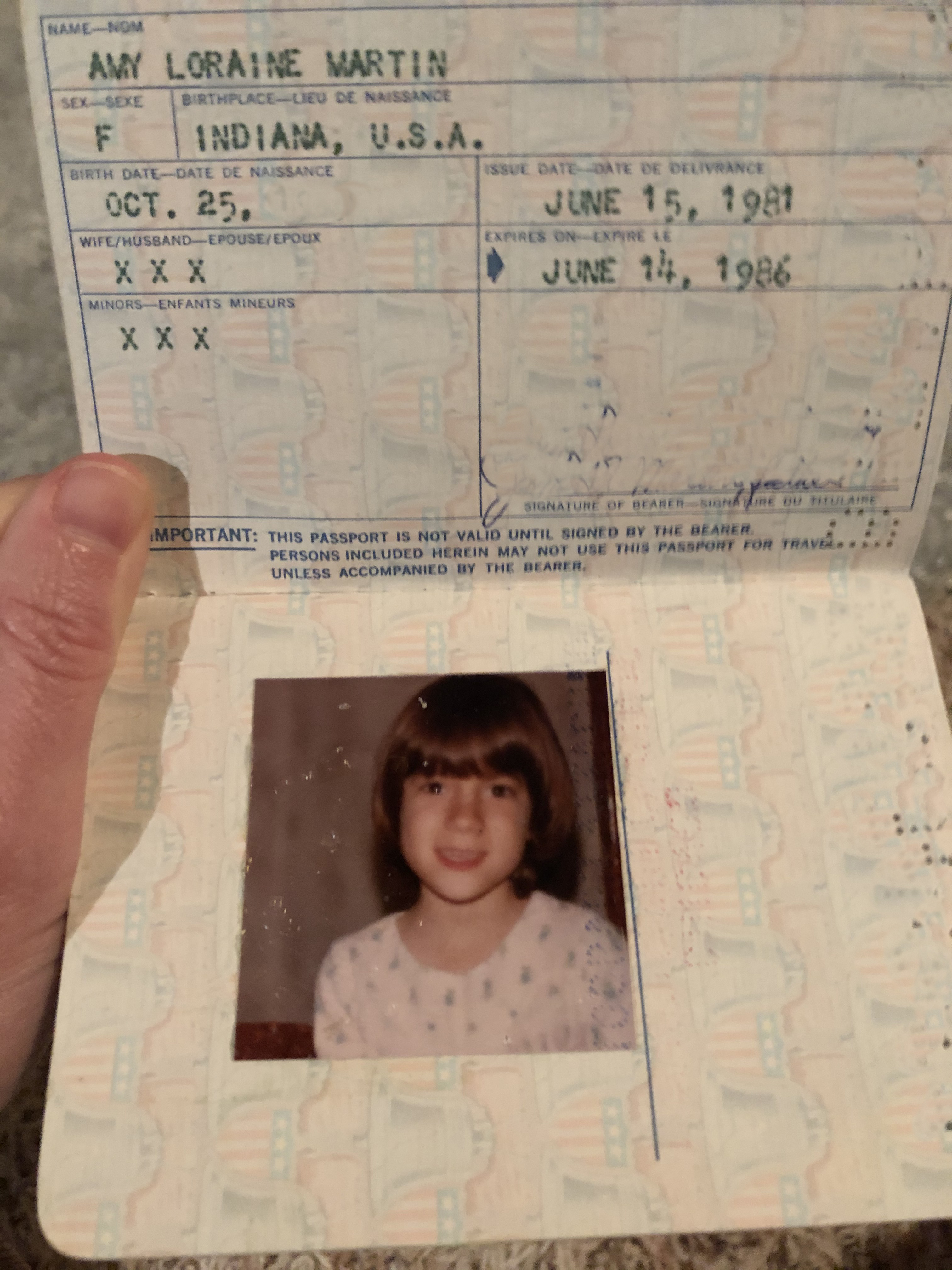
My first passport.

No surprise, it was my first air travel, though I don’t remember much about that, aside from my sister Beth having a doll and my baby sister Leah being oogled and coddled by the other passengers (I was jealous and annoyed), we wore our nice sundresses and cardigans, and we ate greasy sausages and eggs for a breakfast served mid-flight. I don’t recall much about the miracle of flight itself.

But this is about Honduras, not the American Inn outside of Chicago or TAN SAHSA airline.

These are the things that imprinted almost 40 years ago into my eight-year-old brain:

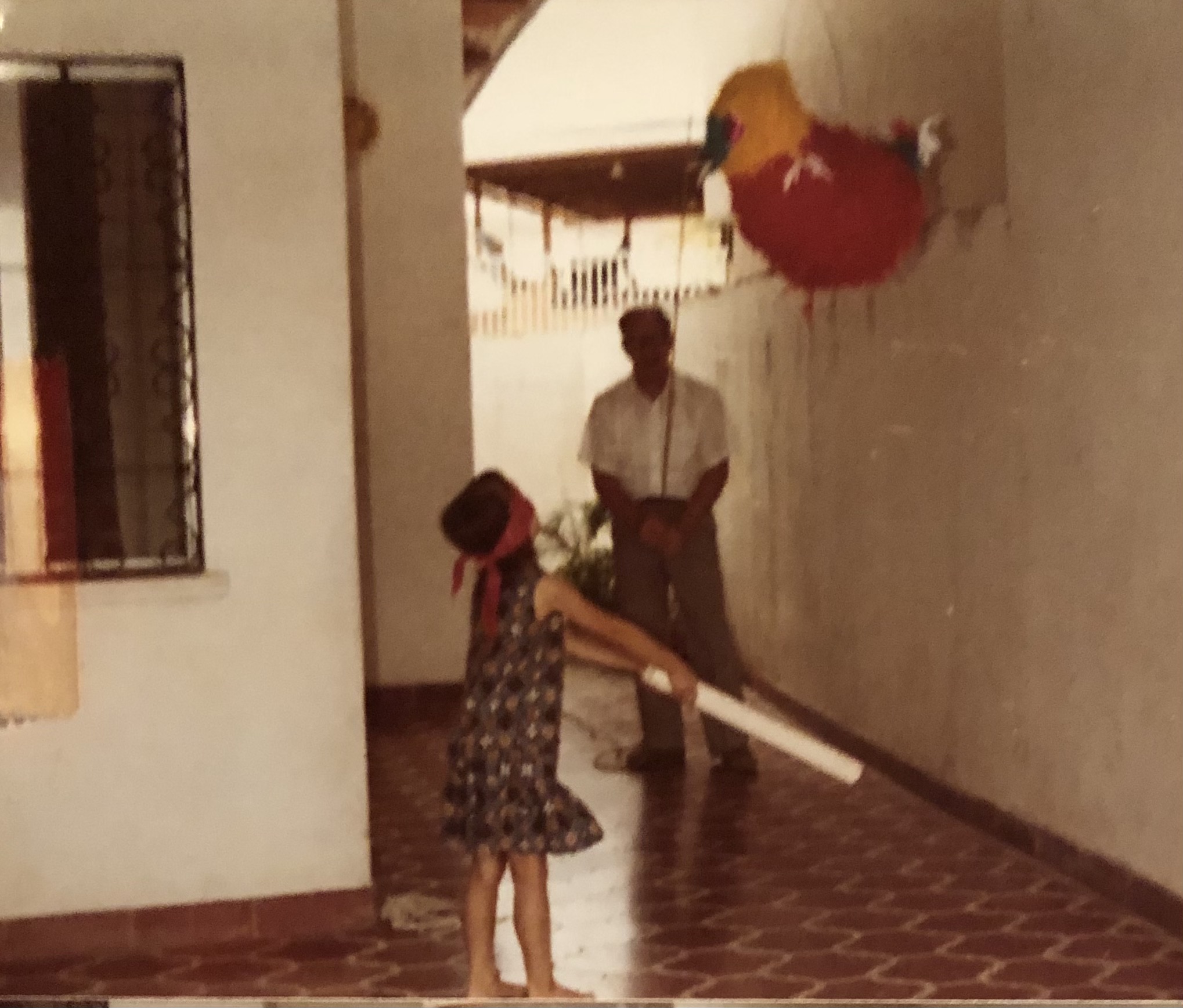
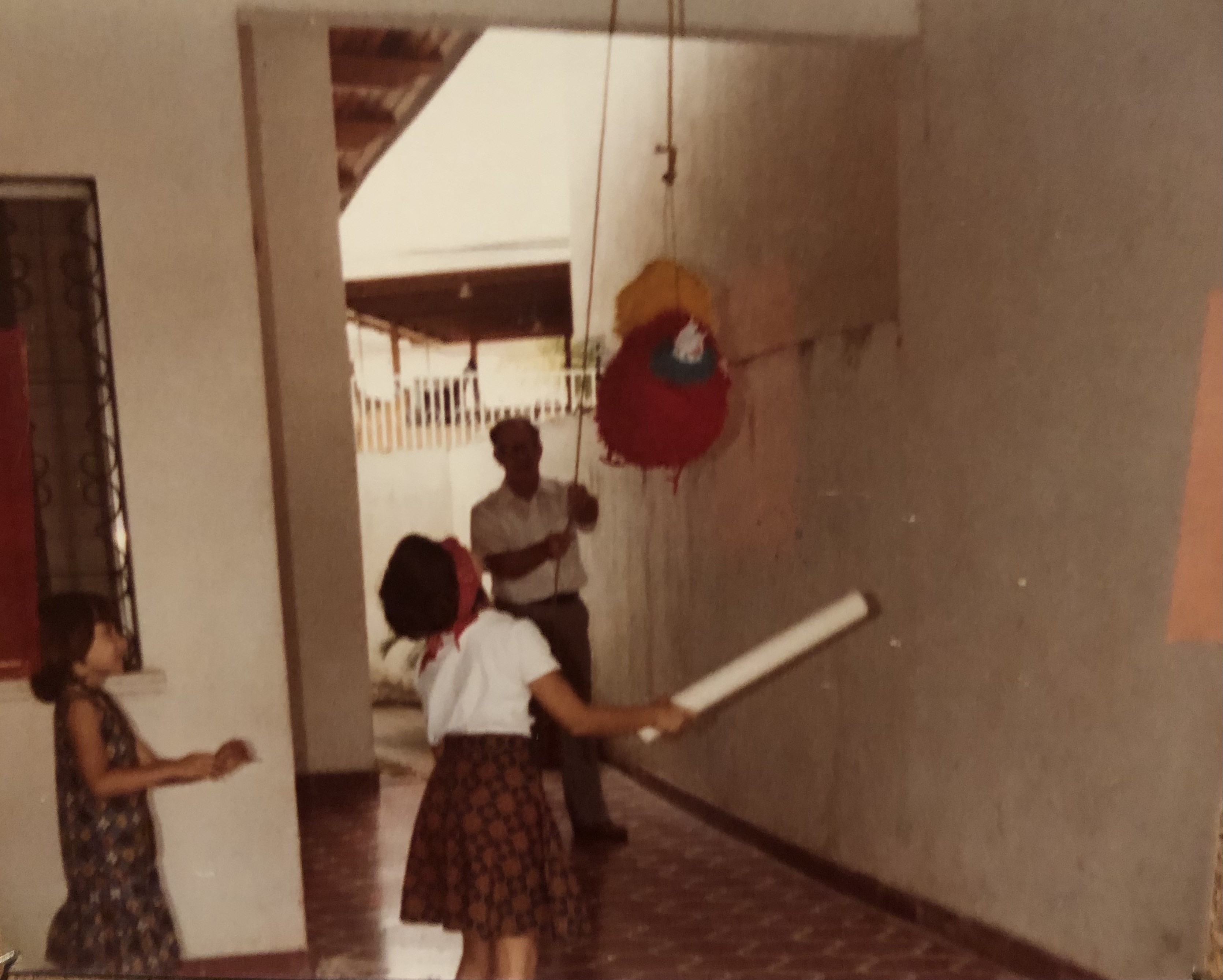
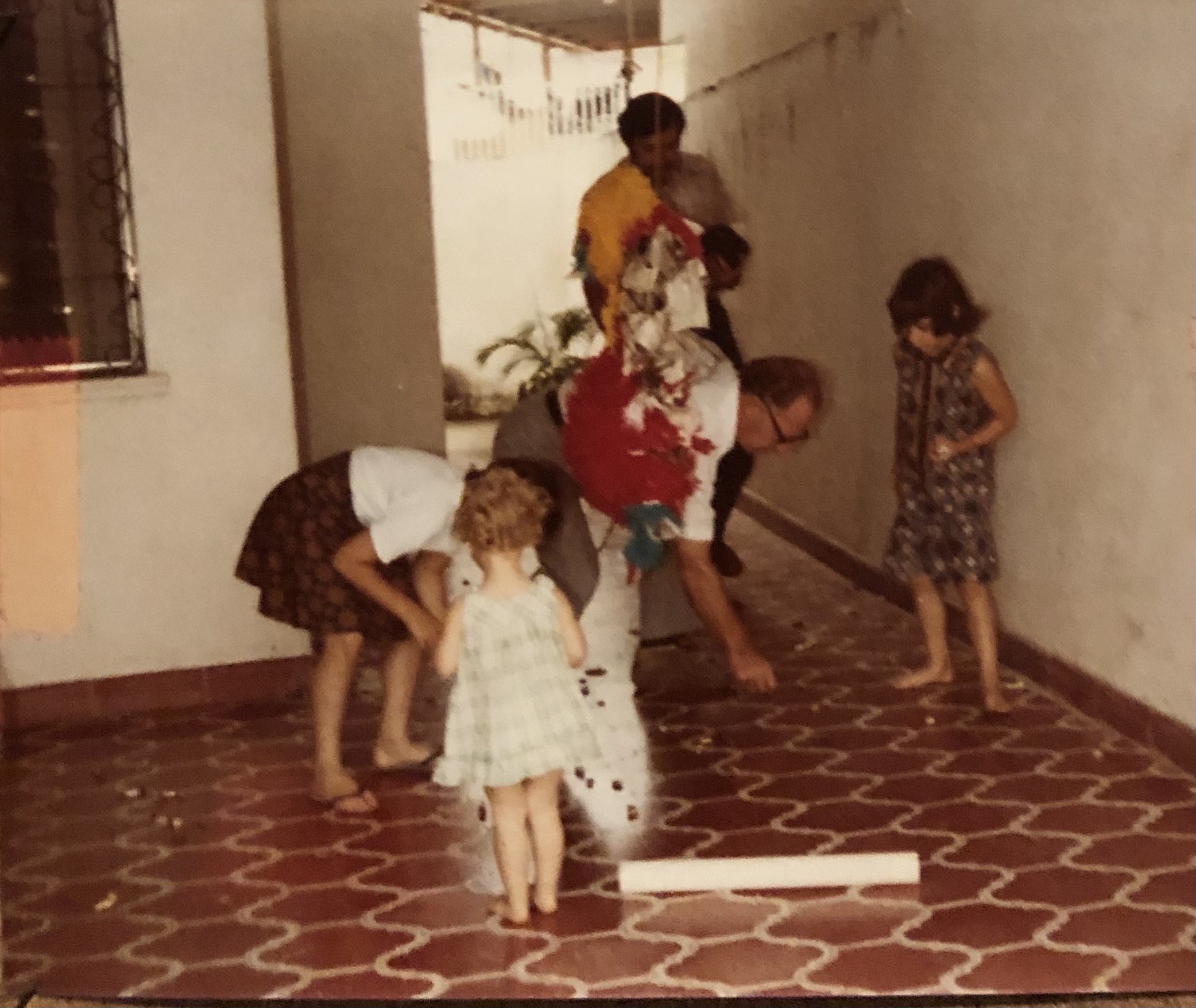
My grandparents’ house, which had a gate around it – and a carport where we skipped rope, swung blindfolded at a piñata Grandpa Weldy pulled up and down with a rope until one of my sisters hit it hard enough to explode the wrapped candy from its bowels, and where we sucked the not-too-sweet, pulpy coconut popsicles Grandma Weldy made for us.

My grandparents’ maid Carmen who kept the house, prepared meals with my grandmother, boiled drinking water for us and lived in a tiny building behind the house. My sister Eunice and I liked Carmen and her baby very much.

Taking care to not swallow water from the tap while brushing my teeth.

Visiting the market in the heart of Tegucigalpa, where the aforementioned piñata was purchased. This was the first open-air market I had ever experienced, and it felt dim and loud and crowded, the smell of human sweat and raw meat thickly mingled with dusty air. The delightfully horrifying sight of the raw meat itself, bloody torsos and legs hanging like curtains between stalls.

The man, who pushed his hand into the car window as he asked for some change. Just a centavo or two, please. I recall this moment – and it was just a moment – as startling, fascinating, awful and profoundly sad. And I can still vividly see his thin body and the faded blue, tattered rags he wore, his weathered skin and worn eyes, his mouth with just a few broken teeth exposed as he begged, please, just a little money.

The smell of leather and suede. We drove to a sort of sunny, grassy commune shop where people made a living making and selling handicrafts. Leather purses, straw hats, wall hangings. I can inhale now and imagine the smell inside little dark brown suede purse I was allowed to choose as a souvenir and kept for years.

The day we drove into the mountains and trekked high into a rain forest and up the many stone steps of an ancient monument. I think it was that same day we saw Nuestra Señora de Suyapa, Our Lady of Suyapa, and the Basilica in her honor. It seemed deserted and perhaps not yet finished, cool and dark inside, and the cement walls echoed in lively acoustics.

A lunch near a lake where we ate just-caught trout that had been roasted over a fire. A delicious, savory, nicely charred fish. Heads still on – another first for me – but no matter because it tasted good and there was ice, cold Nehi in any flavor for each of us to drink, straight from the bottle and with a straw.

The thick, wrapped maple-like sugar blocks Grandma Weldy bought from a roadside peddler. And sweet guava paste, paired with salty soft cheese. And Ting! soda my grandmother poured into small juice glasses for us to sip as the bubbles tickled our noses.

The weekend side trip to a house at Tela Beach where my Aunt Ruth taught us how to make drip castles in the sand. We bobbed in the waves and watched a cargo boat in the distance, presumably unloading bananas, as my father had launched into the Chiquita Banana jingle. My parents and Aunt Ruth pulling up sand dollars with their toes from the sandy ocean floor as everyone swapped jokes.

The day a rain cloud appeared over my grandparents’ house, and we discovered – running back and forth – that it was raining in the front yard, but sunny and dry in the back yard. Those things just didn’t happen in Northern Indiana.

When I think of Honduras, I see these all these things in my mind’s eye, and I think of the smell of people and dust and sunshine and leather.

An introduction

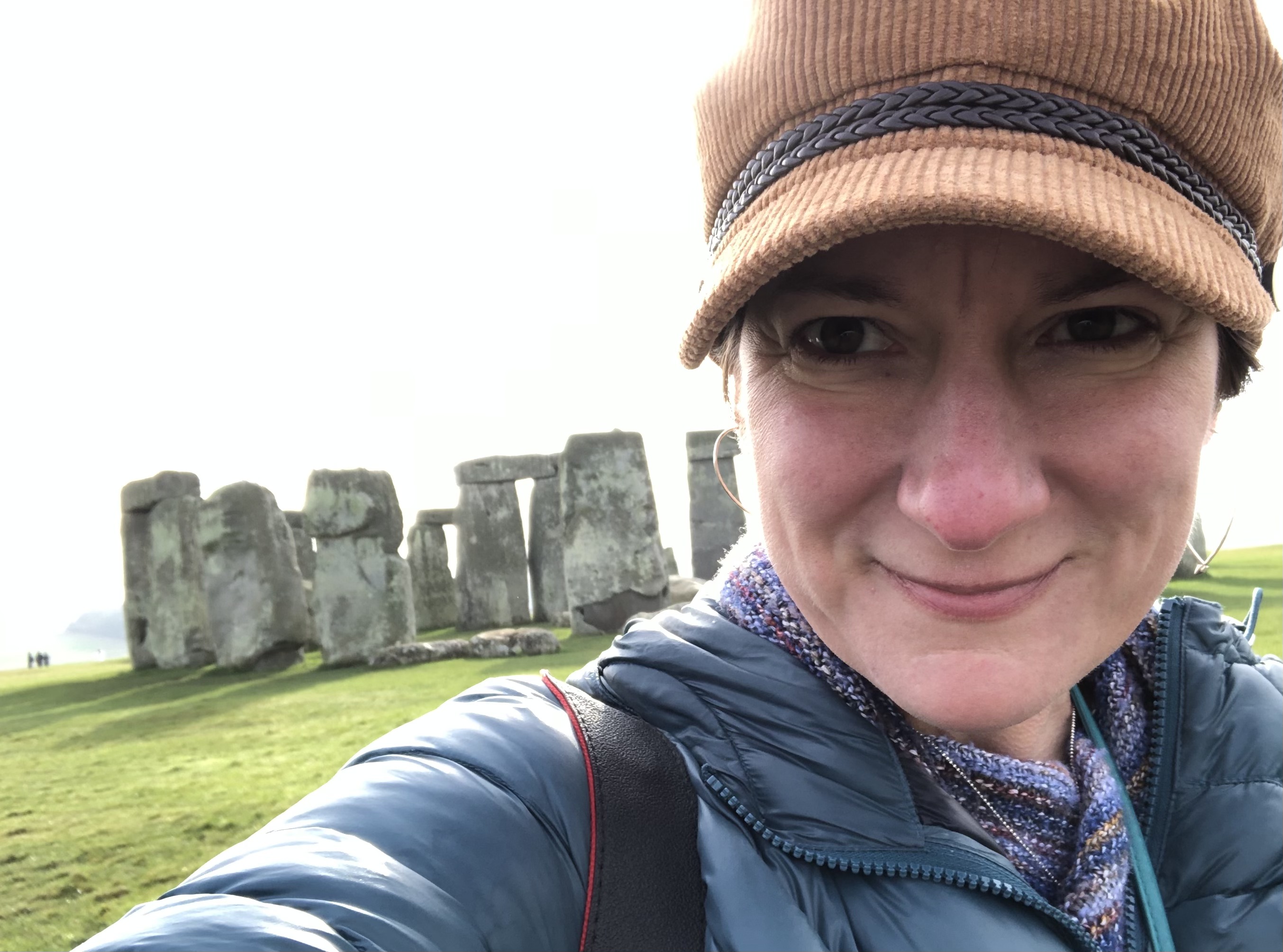
It is said that my grandfather, Dwight Weldy, had wanderlust – the tugging, nagging need to travel and explore the world. And the many photos and stories of car trips across the United States, jaunts through Europe and even temporary family relocations to the Philippines and Honduras are proof that his wanderlust was real.

So, I come by it honestly. It’s in my DNA, this need to see, taste, smell, hear, walk and touch the places that are not here, but there… and there… and there.

I’ve been fortunate throughout my life to be able to travel. Not always glamorous, but that doesn’t matter. Because wanderlust doesn’t call me to go anywhere fancy or first class. It just calls me to go.

My parents valued the experience of travel; so, from the time I was little, our family of six packed up for a week or so each summer, towing my grandparents’ camper trailer behind our gold Toyota Corona station wagon as we headed out to take in such exotic locales as Ames, Iowa, and Battle Creek, Michigan. (To be fair, we were fed and clothed on the salaries of a teacher and a nurse, and they did take us to Niagara Falls and the stunning National Seashore at Assateague Island.)

As I grew older, I took summer jobs in Chicago and Michigan; and as a college student, I was lucky to spend a month camping in the American Southwest as part of a photography class. These were all appetizers, whetting my perpetual desire to go someplace. To see and to “be” somewhere different.

And I’ve been even luckier as an adult to continue feasting in my gluttony of go. Sometimes for the sheer pleasure and getaway of it. Sometimes (and again, how lucky for me) because of my jobs. But even when it’s just a free hour post-meeting in New York City before a cab ride to LaGuardia or half a day in Paris after working a convention, my wanderlust compels me to walk the streets of these wonderful places in our world, breathe deeply the scents (and yes, sometimes stenches) and scenery of the cities, towns and countrysides that are not my home.

As the pandemic has frozen time, stalling most of us in place, I have tried to be patient and put into perspective that persistent tug and nag to travel. It is, I remind myself, a luxury, and I can wait. But as I wait, I want to think about the places I’ve been. Where my wanderlust and fate have taken me so far. So I’m going to indulge this nostalgia. In remembering where I’ve been, I have hope for where I might go next.

Is this your new site? Log in to activate admin features and dismiss this message
Log In